How E-Signature APIs Improve Digital Transactions and Business Efficiency
E-signature APIs play an essential role in enhancing digital transactions and improving business efficiency. Through automating the signing process, they minimize the reliance on physical paperwork and allow users to complete agreements across multiple devices. This implementation not only simplifies workflows but also speeds up transaction times. As companies progressively integrate these technologies, the benefits for operational efficiency become increasingly apparent. Exploring these advantages provides deeper understanding of their transformative capabilities.
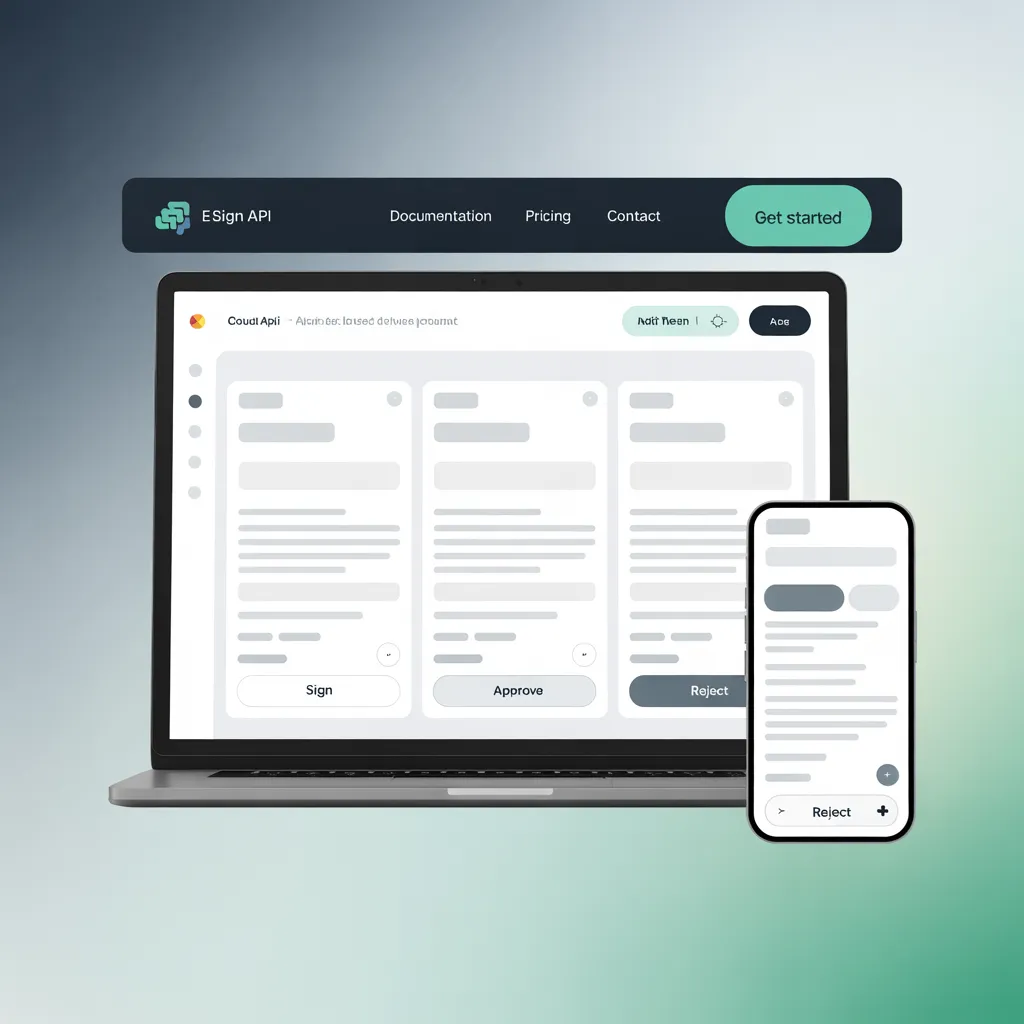
The Essentials of E-Signature APIs and Their Key Benefits
E-signature APIs are widely acknowledged as essential resources for modern businesses seeking to enhance operational efficiency. These powerful programming interfaces enable organizations to integrate electronic signature capabilities natively within their established workflows. Through enabling online document signing, these APIs do away with the requirement for conventional paper documents, minimizing the time and expenses linked to document management.
Companies gain advantages from improved turnaround times and streamlined workflows, as files can be signed remotely, at any time. Robust security capabilities, such as encryption and authentication, also guarantee the integrity of the signed documents, which is vital for meeting compliance and legal obligations. Furthermore, e-signature APIs elevate the end-user experience by simplifying the signing process, making it more accessible for clients and employees alike. As a result, businesses can dedicate their attention to core functions rather than administrative burdens, resulting in greater productivity and improved customer satisfaction.
How E-Signature APIs Transform Transactions
E-Signature APIs optimize the document signing experience by permitting users to finalize agreements in a digital format, minimizing the dependency on traditional paper-based signatures. This innovation improves workflow efficiency, facilitating faster transactions and minimizing delays associated with traditional methods. As a result, businesses can operate more efficiently and respond swiftly to client needs.
Optimized Document Signing Workflow
Transforming the standard approach to signing, electronic signature APIs offer businesses a smooth way to handle document transactions. By facilitating electronic signatures, these APIs eliminate the need for physical paperwork, minimizing resources and overhead spent on discover this handwritten signatures. Users can complete document signing from any internet-connected device, enabling more rapid approvals and boosting convenience. This optimized approach not only accelerates the document signing process but also reduces mistakes common in traditional approaches, such as missing paperwork or unclear handwriting. In addition, document tracking and management gets simpler, as electronic signature APIs offer up-to-date status reports and comprehensive audit logs. Overall, these capabilities lead to a significantly improved document signing experience for organizations of every size.
Enhanced Workflow Automation
The incorporation of e-signature APIs not only simplifies the document signing process but also improves overall workflow automation. By automating the signature gathering process, companies can eliminate manual tasks that commonly delay operations. E-signature APIs enable smooth integration with current software systems, providing real-time tracking and status updates. This integration guarantees that all stakeholders are informed promptly, reducing delays and increasing accountability. Furthermore, automated workflows minimize the risk of human error, guaranteeing that documents are processed accurately and efficiently. As a result, organizations can redirect resources toward more strategic initiatives, ultimately improving productivity. Improved workflow automation through e-signature APIs not only speeds up transactions but also cultivates a more dynamic business environment.
Incorporating eSignature APIs Into Your Existing Processes
Integrating digital signature APIs into existing workflows can greatly enhance workplace productivity for businesses. By effectively embedding these APIs, businesses can optimize document signing workflows, minimizing the time and resources needed to collect signatures. This incorporation allows organizations to automate repetitive tasks, such as dispatching notifications for pending signatures, thereby decreasing the slowdowns generally connected with traditional signing methods.
Furthermore, e-signature APIs enable the real-time monitoring of document status, allowing businesses to track progress and respond promptly. This visibility improves collaboration among team members and clients, leading to faster decision-making. Additionally, the option to incorporate e-signature features directly within existing software platforms provides a streamlined user experience, with minimal training required.
Fundamentally, embracing e-signature APIs encourages a more flexible and adaptive business environment, permitting organizations to concentrate on primary business functions while enhancing customer satisfaction through faster transaction times.
Compliance and Security Advantages of E-Signature APIs
Electronic signature APIs deliver considerable security and compliance advantages that are critical for modern businesses. Such APIs employ sophisticated encryption methods to safeguard sensitive information during transit, making certain that documents remain secure and tamper-resistant. Moreover, numerous e-signature platforms include multi-factor authentication, introducing an additional security layer to confirm the identities of signers.
Compliance with worldwide regulatory frameworks, including the European eIDAS and the American ESIGN Act, is further supported by electronic signature APIs. Such frameworks ensure the legal recognition of electronic signatures, enabling companies to conduct cross-border operations confidently. Moreover, electronic signature APIs frequently feature audit logs that deliver a thorough record of the signing procedure, enhancing accountability.
E-Signature Success Stories
E-signature APIs have reshaped business operations across a wide range of industries, giving rise to significant success stories. Businesses have reported more efficient contract approvals, improved remote workflows, and substantial decreases in paperwork costs. These improvements highlight the tangible benefits of integrating e-signature solutions into everyday processes.
Accelerated Contract Approvals
The adoption of e-signature technologies has revolutionized the dynamics of contract approvals in multiple sectors. Companies have reported significant reductions in turnaround times, shifting from traditional paper-based processes to swift digital sign-offs. For instance, a leading real estate firm demonstrated a 70% decrease in contract approval time, facilitating quicker deal completions and enhancing client satisfaction. Similarly, a global consulting agency refined its procedures, facilitating rapid onboarding of new clients. Using automated alerts and progress tracking, stakeholders can efficiently oversee the status of documents, ensuring accountability and transparency. Collectively, these e-signature success stories highlight how digital solutions foster efficiency, ultimately leading to enhanced business adaptability and responsiveness in an ever-evolving market.
Advanced Remote Workflow Solutions
Many organizations have noted remarkable advancements in their remote work processes as a result of the adoption of e-signature solutions. For example, a prominent real estate organization announced a 50% reduction in transaction processing times after adopting e-signatures. By permitting clients to electronically sign documents, the organization did away with the need for in-person meetings, thereby speeding up the closing process. In the same way, a financial services firm noted significant improvements in client contentment, as clients could electronically sign agreements at their convenience. This versatility not only streamlined operations but also encouraged a more dynamic way of meeting client needs. In conclusion, the adoption of e-signature APIs has empowered businesses to operate more efficiently, improving productivity and collaboration in distributed work settings.
Minimized Paperwork Expenditures
Cost savings have become a notable advantage for organizations embracing digital signature solutions. By eliminating the need for physical paperwork, organizations can greatly reduce printing, storage, and mailing costs. For instance, a mid-sized firm reported a 30% decrease in operational expenses after incorporating e-signature solutions into their processes. This shift not only improved document handling but also reduced environmental footprint, supporting broader sustainability objectives. Additionally, businesses observed accelerated transaction processing, leading to quicker revenue recognition and enhanced cash flow. Positive outcomes are widespread, with numerous companies reporting enhanced customer satisfaction thanks to the ease of electronic signatures. Overall, the reduction in paperwork costs highlights the financial benefits of embracing e-signature technology in modern business practices.
Future Trends in E-Signature Technology
As organizations progressively integrate digital innovation, the outlook of e-signature technology is positioned for substantial growth. Emerging trends indicate a more robust integration of artificial intelligence and machine learning, enhancing authentication processes and fraud detection. These advancements will optimize user journeys by streamlining verification processes and delivering instant risk evaluations.
Furthermore, the growth of blockchain technology aims to deliver unparalleled security and transparency in digital signatures, making transactions permanent. This could lead to higher trust between users and stakeholders in various industries.
In addition, a transition towards mobile-first solutions is predicted, with electronic signature solutions becoming more available on tablets and smartphones. This trend will enable efficient digital interactions in an increasingly smartphone-focused world.
Furthermore, global regulatory shifts are expected to further strengthen electronic signatures, encouraging more businesses to implement these tools. Altogether, the evolving landscape of digital signature technology is set to elevate efficiency, security, and user experience.
Frequently Asked Questions
Are E-Signatures Legally Binding in All Countries?
Digital signatures are recognized as legally valid in a wide range of countries, such as the United States and EU member states. However, specific regulations vary by jurisdiction, so it is important to confirm the applicable local laws surrounding e-signature validity.
In What Ways Do E-Signature APIs Manage Multiple Signers?
E-signature APIs enable multiple signers by allowing sequential or simultaneous signing. These APIs manage signer roles and permissions, guaranteeing documents are properly routed, monitored, and securely signed, which enhances collaboration and efficiency in various workflows.
What Are the Typical Costs Associated with Implementing E-Signature APIs?
The standard cost of integrating e-signature API solutions is typically between $10 to $50 per user per month, subject to the provider and features. Further costs may include integration, training, and maintenance, influencing overall expenditure.
Can E-Signature APIs Be Used for International Transactions
Certainly, electronic signature APIs can be used for global transactions, enabling legally binding and secure cross-border agreements. These solutions streamline workflows, ensuring compliance with varying regulations while improving efficiency across global business operations.
How Do I Choose the Right E-Signature API Provider?
Picking the right electronic signature API provider involves assessing security features, regulatory compliance, user interface, integration potential, technical support, and pricing models. Examining these considerations ensures the selected provider satisfies specific business needs and increases efficiency.